Research and infrastructure / Analysis
AI needs electricity: can the grid keep up?
A new model and a new electricity connection run on different timetables. That gap also shapes the AI race.
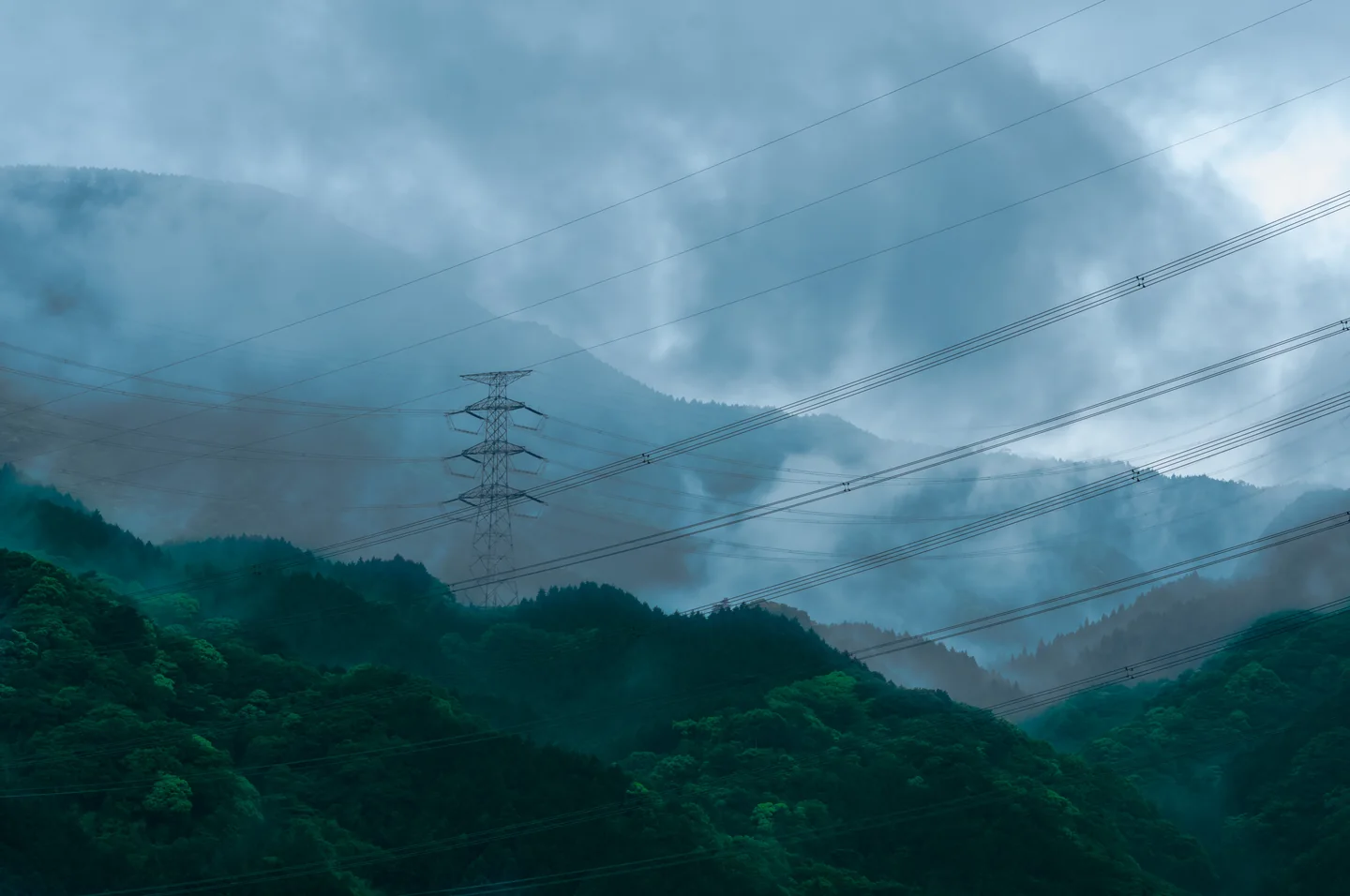
An AI application can seem immaterial: it opens in a browser, receives a request and returns an answer. But that answer depends on equipment that needs electricity. Moving from models to data centres introduces timetables, connections and infrastructure that cannot be updated like an application.
The IEA’s April 2026 report identifies grid connections and supply chains among the factors shaping expansion. It also distinguishes the efficiency of an individual task from total consumption: more usage can coexist with less energy per operation. [IEA]
Efficiency and demand answer different questions
An arithmetic example makes this clear. If a hypothetical task uses half the energy but runs four times as often, total consumption doubles. This is not a measurement of a particular model; it shows why an individual improvement does not determine the aggregate result.
What is being counted matters too. A short answer and a job involving many consecutive operations are not equivalent units. Before comparing figures, identify the task, observation period and equipment included. Without that boundary, a very precise number may answer a different question from the one that matters.
Having energy is not having it in the right place
The IEA notes that concentrated demand and different investment timetables can create local pressures. The report also avoids assuming a single effect on prices: the outcome depends on the balance between supply and demand and on electricity-system decisions. [IEA]
When reading an infrastructure announcement, we suggest separating planned location, agreed connection, construction and operation. An announced project is not a centre already drawing all its planned power. Installed capacity alone does not explain how much energy is used over a year either.
This distinction helps frame specific questions. When will it enter service? Which infrastructure is available? What utilisation has been measured? Readers do not need to become engineers: they need to avoid having different project stages compressed into one impressive number.
What should accompany a promise of growth
Our view is that capacity announcements become more useful when they explain their dependencies. A timetable with verifiable milestones makes it possible to check what has been completed and what remains pending. A projection without conditions can look like a fact even when it depends on construction, equipment or future demand.
For a business using AI, this debate provides context about continuity and availability, not an automatic prediction of its bill. The specific contract, service type and usage remain necessary to understand the cost it will actually bear.
The AI race includes what appears on screen and what supports it. Looking at the electricity grid requires keeping two scales together: the efficiency of an operation and the infrastructure that lets it be repeated. Growth will need to be verified at both levels.
Sources and references
- Key Questions on Energy and AI — Executive summary ↗IEA · 16 April 2026 · Research publication
Prepared with AI assistance. Editorial policy and corrections.