
Research and infrastructure / Analysis
AI leaves the screen: what can robots do with Gemini Robotics?
Understanding an instruction is only the beginning when the response must move a body and handle real objects.
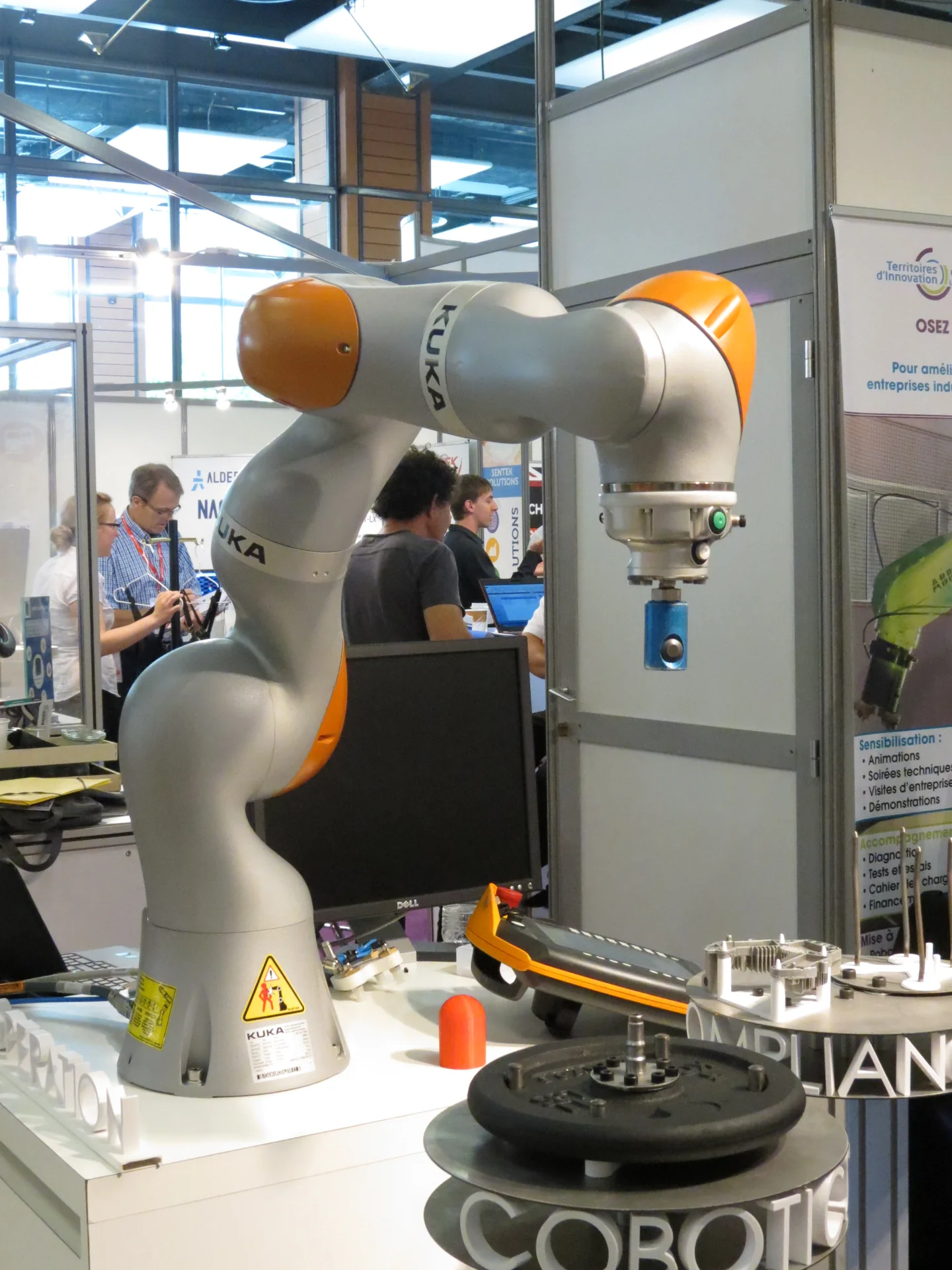
When AI responds with text, we can read it before acting. When it controls a robot, its response can move an object, open a drawer or enter someone’s space. The move from language to movement changes the questions we need to ask about reliability, control and usefulness.
Google DeepMind introduced Gemini Robotics 2 on 30 July 2026. The announcement describes whole-body control, dexterity and collaboration between robots. We treat these as capabilities reported by the manufacturer, not results we have verified in a real installation. [Google DeepMind]
Seeing, understanding and acting
The approach combines models that connect images and instructions to actions with reasoning components for planning. DeepMind’s documentation distinguishes that planning from motor execution. The important point for readers is that a good verbal response does not, by itself, demonstrate that physical manipulation will succeed. [Google DeepMind]
Consider the request “clear the table”. A useful test would define what a cleared table looks like, which objects may be moved and where they should go. A broken glass or a cup containing liquid should not disappear inside a single success score.
A demonstration is not a working shift
A video can show a task completed well while leaving questions unanswered. How many attempts were made? How much preparation did the environment need? Was there any intervention? These are questions for evaluating a demonstration, not accusations about how a particular video was recorded.
We suggest separating the task shown from the task a business needs. A warehouse might need work repeated for hours, with different objects and without blocking a walkway. That requirement cannot be inferred from a short sequence showing a single movement.
It would also be useful to observe what happens when the system cannot continue. Stopping, asking for help and leaving the space safe are behaviours worth including in a test. The time required to recover from an exception is part of the process, even when it does not appear in a promotional video.
Usefulness depends on the whole process
To compare a robotic solution, we suggest first describing the complete job: preparation, execution, verification and incidents. Then record where a person intervenes and why. This avoids confusing a visible improvement in one stage with automation from beginning to end.
The same approach applies to claims of flexibility. Learning another task matters, but so do the data, time and support required to put it into operation. We have not measured these costs for Gemini Robotics; they are questions a subsequent evaluation should answer.
This research is interesting because it expands what a robot can understand and attempt. The distance to an everyday tool will be measured through repeatable tasks, explicit conditions and known limits. That is where a promising demonstration can begin to become a useful operation.
Sources and references
- Gemini Robotics 2 brings whole body intelligence to robots ↗Google DeepMind · 30 July 2026 · Primary source
- Gemini Robotics ↗Google DeepMind · Accessed: 20 October 2026 · Primary source
Prepared with AI assistance. Editorial policy and corrections.