Security and society / News
Anthropic Cyber Mission: security becomes a central test for AI
Detection is only the first step. Anthropic’s programme explores AI for defending infrastructure and open-source software.
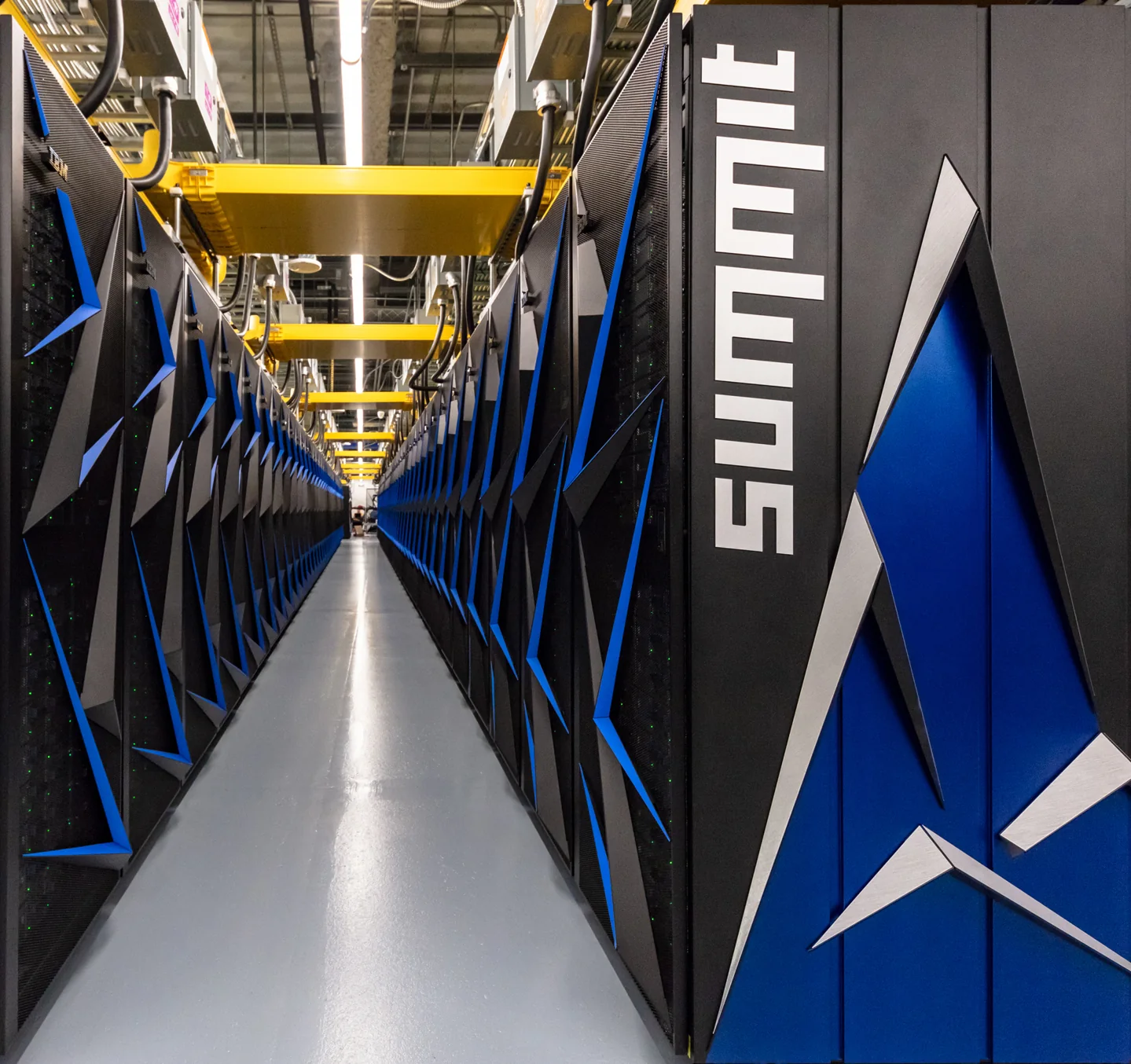
Anthropic has announced Cyber Mission, an initiative placing system defence at the centre of advanced model applications. Its two initial strands focus on critical infrastructure and open-source software. [Anthropic]
The announcement reflects a question that accompanies model capability: if models can help detect software problems, we must also examine how access to those capabilities is controlled and their use validated.
A programme with different access routes
Anthropic announced Cyber Mission on 8 October. It includes a critical infrastructure defence programme with an initial cohort and specialist support, alongside OSSScanner for reviewing open-source projects. Access and scope depend on the route. It is not a universal offer of automatic protection for every business. [Anthropic]
The distinction between a test environment and a live system is particularly important in infrastructure. A fix may require validation, supplier coordination and a maintenance window. A tool that finds a problem cannot assume these steps are complete. Asking about access and the work after detection helps readers understand what the programme offers without attributing unproven coverage to it.
Finding a problem does not mean solving it
In security, a useful alert is only part of the work. Teams must establish whether the issue is real, prioritise it, test a fix and deploy it without introducing new problems. Rigorous analysis considers that full sequence.
Vulnerability detection announcements therefore need context. The number of findings, without severity, confirmation and resolution information, does not explain a tool's full impact. This is an editorial reading, not an independent evaluation of the announced programme.
Who can access it, and on what terms?
Restricted-access programmes are part of the news. They are not a minor detail when they determine who may use a model, for which tasks and under what supervision. Readers need to distinguish an available service, a programme for selected organisations and a future promise.
It is also important to separate capabilities demonstrated in tests from sustained effectiveness in real deployments. Security requires measuring errors and consequences as well as successes.
The debate extends beyond one company
For an organisation adopting agents, the practical question is which permissions each system needs and who can review its actions. Granting information access and the ability to modify a service are separate decisions.
The launch shows how cybersecurity shapes model distribution. Follow-up reporting should examine results and external validation, without confusing a protection announcement with a guarantee that every risk is covered.
Sources and references
- Anthropic Cyber Mission ↗Anthropic · 8 October 2026 · Primary source
Prepared with AI assistance. Editorial policy and corrections.