
Models and products / Context
MCP: the connector that helps AI work with other tools
A common way to connect systems does not give an agent permission to do everything.
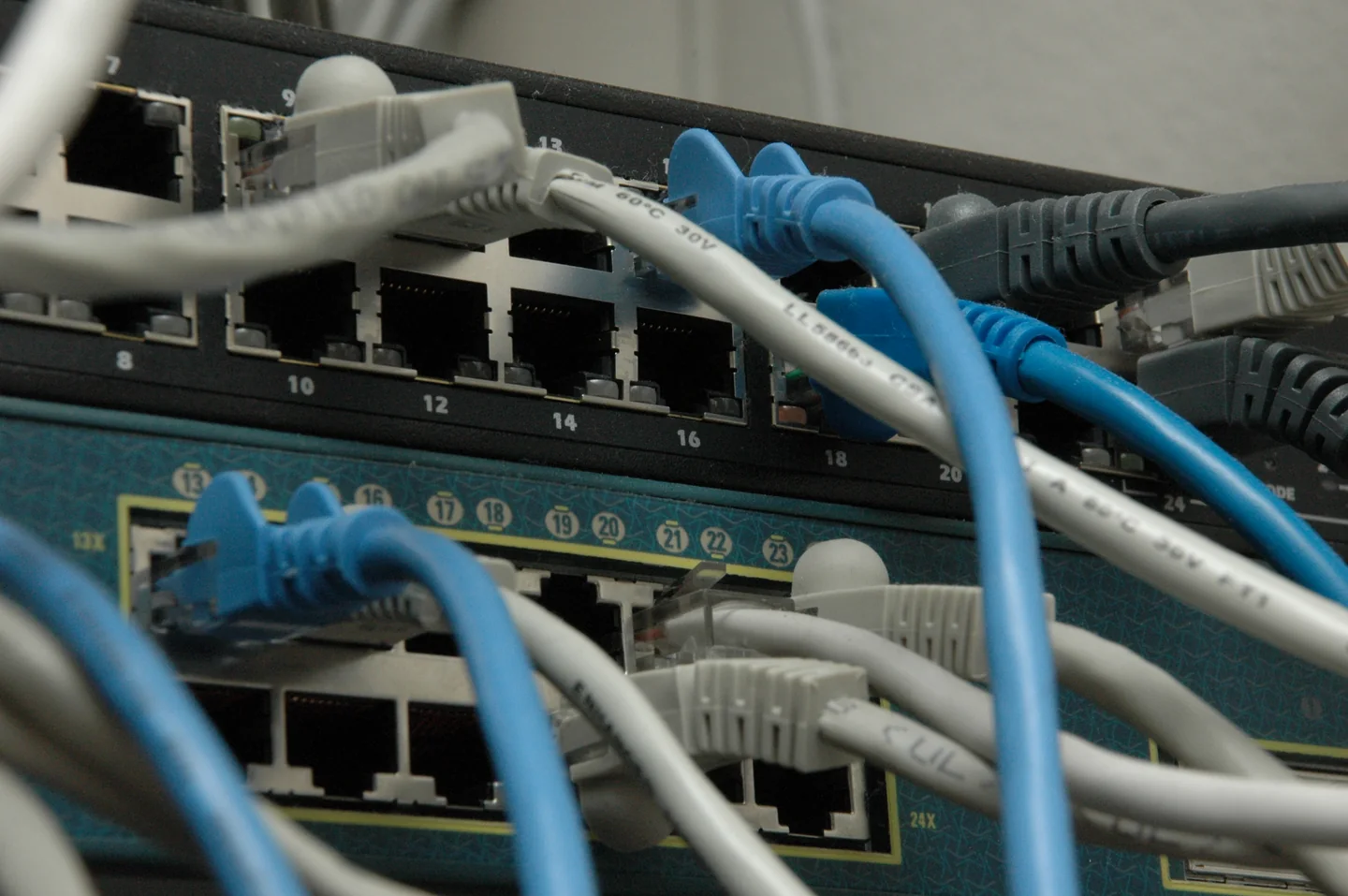
AI can explain what should be done very well while lacking access to the information needed to do it. The gap between a general answer and a useful action often involves connecting documents, applications and specific operations. This is where Model Context Protocol, or MCP, comes in.
The protocol documentation defines a client-server architecture for exchanging context and exposing capabilities. These include executable tools, data resources and interaction templates. MCP organises communication; it does not dictate an AI application’s entire logic. [Model Context Protocol]
An example without the magic
Imagine an assistant helping prepare meetings. One connection could read a calendar and another retrieve authorised documents. The application would use that information to prepare a summary. This is a design example, not a claim that every calendar or repository automatically works with every agent.
For the process to be useful, it would still need to know which customer is involved, which documents are relevant and what happens if a query fails. Speaking a common protocol facilitates part of the exchange, but does not decide those business rules.
A shared standard, not guaranteed universal connectivity
On 9 December 2025, the Linux Foundation announced the Agentic AI Foundation, with MCP among its founding project contributions. Shared governance matters for following the protocol’s development, but should not be confused with certification of every server using it. [Linux Foundation]
To assess a particular connection, we suggest reviewing which operations it offers, which version it supports and who maintains it. A protocol name in a presentation does not answer those questions. Behaviour when data is missing or the connected service is unavailable also needs testing.
The comparison with a plug is useful only up to a point: it helps picture a shared interface, but can hide the fact that meaning and permissions also pass through it. A misinterpreted instruction remains misinterpreted even when it travels in the correct format.
Connecting does not authorise everything
In the meeting example, checking a free time and cancelling an appointment are different actions. A configuration may need the first but not the second. The design should make that difference visible and testable, rather than treating all calendar access as one package.
One test we suggest is removing a capability and checking that the assistant explains the limitation without inventing a result. Another is reviewing what gets recorded after an operation. The aim is to treat the connection as an inspectable part of the process, not a box that simply “integrates AI”.
MCP matters because it offers a common foundation for a recurring job: making tools and context available to an application. Its eventual value will be demonstrated by what the connection can resolve, within which limits and with clear responsibility for the actions it performs.
Sources and references
- Architecture overview ↗Model Context Protocol · Accessed: 20 October 2026 · Primary source
- Linux Foundation Announces the Formation of the Agentic AI Foundation ↗Linux Foundation · 9 December 2025 · Primary source
Prepared with AI assistance. Editorial policy and corrections.